

Gender-based salary differences
The salary differences between women and men are still a reality – even among people with higher education. Tekna’s salary statistics show that women and men do not necessarily earn the same. On average, women earn less than men, but the size of the difference varies depending on sector and year of graduation.
Tekna members who completed their studies at the same time do not have the same salary in the labour market. Tekna’s salary statistics by year of graduation show that there is considerable variation in salary levels within the same graduation years. For your own graduation year and sector, you can for example look at the difference between the lower and upper quartiles in the salary distribution.
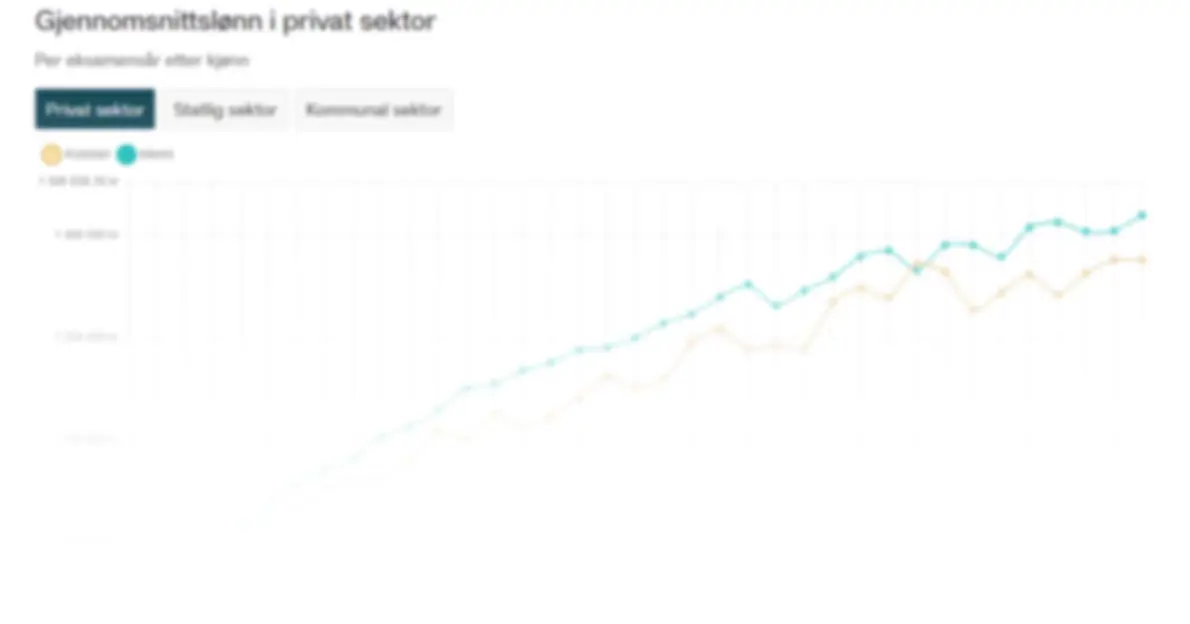
The salary statistics broken down by gender show the average salary for women and men separately, making it possible to compare the levels. Here we see that women, on average, earn less than men. The size of this difference varies between sectors and graduation years.
Wondering why the salaries aren’t the same?
The salary statistics do not, in themselves, provide a clear answer. Differences in average salary between women and men may reflect variations in education, job tasks, levels of responsibility, and the fact that they work in different companies and industries. Salary differences may also be the result of unequal treatment of women and men within the same organisation.
Here you can read about what influences salary differences between female and male members, and which rules apply.
Only for members
Log in or join Tekna and become a member to read the statistics.
What do we know about the salary differences between women and men?
Tekna’s surveys show that women, on average, earn less than men – and that these salary differences start as early as the first job.

For the first time, Tekna is publishing salary statistics broken down by gender.
“This is an important step in making salary differences between women and men visible,” says Tekna President Elisabet Haugsbø.
How to avoid parental leave becoming a salary trap

Suspect salary discrimination?
What exactly is the employer responsible for when it comes to equal pay and discrimination based on gender? And how can employees make use of the rules in practice?